
Latest News
- Home
- Latest News
- Screws Guide: Self-Tapping, Wood-to-Metal & More
2025.10.08
Latest News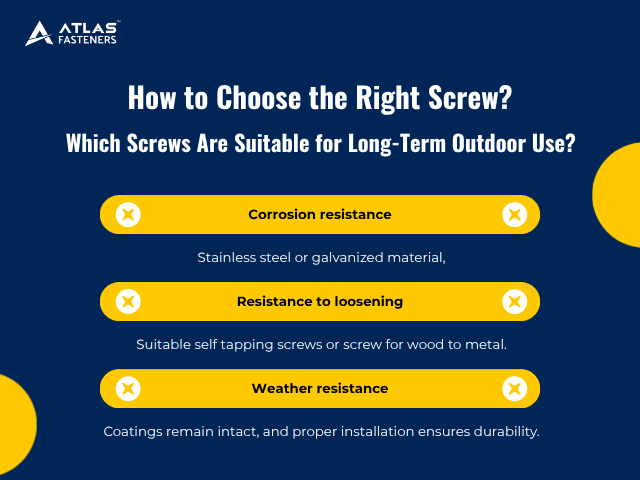
Screws may seem like small components, but they play a crucial role in construction and engineering. Choosing the wrong screws can lead to roof loosening, unstable structures, and even compromise safety. This guide provides an in-depth look at self tapping screws, screw for wood to metal, and various other screws, including their features, applications, and selection tips for contractors and architects.
Screw Materials, Head Types, and Classifications Overview
Before selecting screws, it is important to understand the material, corrosion protection, and head design.
Materials and Anti-Corrosion Coatings
-
Carbon steel: Cost-effective, suitable for indoor or dry environments
-
Stainless steel: Highly corrosion-resistant, ideal for outdoor or humid conditions
-
Galvanized / Black phosphate coating: Common for metal roofing and structural components, balancing corrosion protection and cost
Common Screw Head Types and Drive Types
-
Phillips, slotted, hex, and hex washer heads
-
Drive type affects installation efficiency and torque control
-
Head design impacts load distribution and surface finish
Understanding these basics helps engineers quickly assess if a screw meets project requirements.
What Are Self-Tapping Screws? Installation Tips and Torque Settings
Self tapping screws are screws that can penetrate metal or wood without pre-drilling. Their pointed tips allow them to cut through the material, forming their own threads for fast and secure installation.
Installation Tips
-
Select the appropriate diameter and length based on material thickness and project needs
-
Control torque: Over-tightening can damage materials, under-tightening reduces holding strength
-
Use washers: Especially on thin or roofing metal sheets, washers increase contact area and prevent cracking
Proper installation of self tapping screws improves efficiency and ensures a secure structure.
Why Use Screw for Wood to Metal?
Connecting wood to metal presents structural challenges. Ordinary screws may loosen or pull out over time. Screw for wood to metal provides:
-
Special thread design: Coarse threads on the wood side and fine threads on the metal side ensure strong fastening
-
Corrosion protection: Suitable for outdoor environments, prevents metal oxidation and wood degradation
-
Structural stability: Reduces wood splitting and metal deformation
For roof wooden structures, metal supports, or outdoor timber platforms, these screws significantly improve safety and durability.
How to Choose the Right Screw?
Selecting screws depends on three main factors: application, material, and environment:
-
Indoor light structures: Standard screws suffice; focus on head type and torque
-
Metal roofs and sandwich panels: Use self tapping screws for quick, secure fixation
-
Wood-to-metal connections: Use screw for wood to metal to ensure structural integrity
-
Outdoor or humid environments: Prioritize stainless steel or coated screws for long-term performance
This categorization helps contractors quickly determine the right screws, reducing construction risks.
Which Screws Are Suitable for Long-Term Outdoor Use?
For outdoor applications, screws must meet the following criteria:
-
Corrosion resistance: Stainless steel or galvanized material.
-
Resistance to loosening: Suitable self tapping screws or screw for wood to metal.
-
Weather resistance: Coatings remain intact, and proper installation ensures durability.
Correct selection and installation ensure long-term roof and structural stability while minimizing maintenance costs.
Frequently Asked Questions (FAQ)
Q: How to ensure screws don’t loosen under high wind loads?
A: Choose screws of proper length and diameter, use washers, and apply correct torque to prevent loosening.
Q: Which anti-corrosion coating is best for outdoor long-term structures?
A: Stainless steel or galvanized screws provide the best weather and corrosion resistance.
Q: How to determine the pull-out strength of different screws?
A: Refer to screw specifications and material; coarse threads and longer screws typically offer higher pull-out strength.
Choosing the right screws determines the safety and durability of a project. Self tapping screws are ideal for quick metal and panel fixation, screw for wood to metal ensures wood-metal connections remain strong, and various screws have material and head designs suited for long-term use.
If you are planning roofing, metal structures, or timber projects and want high-quality screws, professional guidance, or wholesale supply, contact us today. We provide premium construction materials and technical support to improve installation efficiency, reduce maintenance costs, and ensure every structure is safe and reliable.
Further reading:
How to prevent over-torquing tek screws? Causes and solutions.
Self-Drilling Screws vs Self-Tapping Screws — Key Differences
What Are Self-Drilling Screws and How Do They Work?
Top Colorbond Roofing Screws: Cyclone Rated & Self Drilling
Collated Screws vs Self Tapping Screws: How to Choose the Right Screws
Tek Screws for Steel & Wood to Metal: Common Installation Mistakes
Best Use Cases for Self-Drilling Screws in Wood, Steel, and Aluminum