
Latest News
- Home
- Latest News
- How to Choose Tek & Metal Roof Screws to Prevent Over-Torquing
2025.09.30
Latest News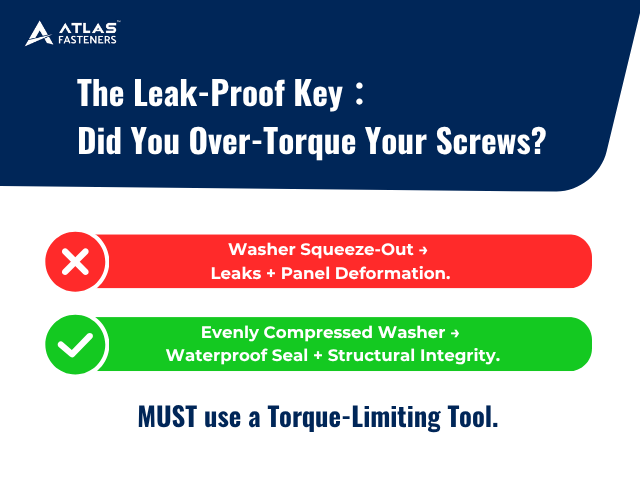
Tek screws and metal roof screws are among the most commonly used solutions, yet improper installation or excessive torque can lead to serious problems. Over-torquing, misaligned screws, and incorrect material selection can compromise water resistance, damage panels, and even void warranties. This guide will help you understand Tek screws, how to choose the right metal roof screws, common installation mistakes, the risks of over-torquing, and how to pick the proper screws for different applications.
What Are Tek Screws? How Do They Differ from Regular Screws?
Tek screws are specialized self-drilling screws that integrate drilling, threading, and fastening in a single step. Unlike conventional screws, which often require pre-drilled pilot holes, Tek screws eliminate the need for pre-drilling, significantly improving installation speed and efficiency.
Common Applications of Tek Screws:
- Steel structures
- Metal roofing panels
- HVAC systems
- Aluminum window frames
- Sheet metal assemblies
The biggest advantage of Tek screws over traditional screws is that they don’t require a pilot hole, which not only saves time but also ensures consistent thread engagement. This makes them ideal for contractors, builders, and industrial projects where speed, precision, and reliability are key.
How to Choose Metal Roof Screws
Selecting the right metal roof screws requires careful consideration of several factors. Roof screws must provide waterproofing, corrosion resistance, and sufficient pull-out strength to withstand wind uplift and environmental stress.
Key Considerations:
1. Crest Fixing vs Valley Fixing
The location of screw installation on corrugated or ribbed panels matters. Crest fixing involves fastening at the peak of a rib, while valley fixing is done at the trough. Each method has specific load-bearing and waterproofing considerations, so choosing the right type ensures structural safety and leak prevention.
2. Surface Treatments
To enhance corrosion resistance, look for screws with EPDM washers and coatings such as BN3/BN5. These materials help prevent rust, especially in coastal or humid environments.
3. Drill Tip Technology
Combining Thunder-shot drill points with the right screw coating can ensure efficient penetration and secure fastening, even in thick metal panels. Choosing screws with appropriate drill tips reduces the risk of slippage, panel deformation, and over-torquing.
Top 5 Common Installation Mistakes
Even with high-quality tek screws and metal roof screws, improper installation can undermine performance. Contractors often make the following mistakes:
- Misalignment – Screws installed at an angle can damage panels or fail to seal properly.
- Over-Torquing – Excessive force can strip threads, damage washers, and deform panels.
- Under-Torquing – Screws that are too loose compromise water resistance and structural stability.
- Wrong Drill Tip Selection – Using the wrong tip for panel thickness can prevent full penetration.
- Using Impact Drivers – High-speed impact tools without torque control can easily over-tighten screws.
Avoiding these mistakes is critical to maintain roof integrity and prolong the lifespan of the structure.
Why Over-Torquing Can Ruin Your Entire Roof
Over-torquing occurs when screws are tightened beyond the recommended torque level. This can lead to several technical risks:
- Thread Stripping – Excessive torque damages the screw or sheet metal threads.
- Washer Damage – Over-tightened washers lose their ability to seal properly, causing leaks.
- Panel Deformation – Over-compression can warp metal panels, creating gaps and weak points.
Common Causes of Over-Torquing:
- Using a high-speed drill or impact driver without torque control.
- Employing the wrong type of tool or attachment.
- Lack of torque-limiting mechanisms.
Prevention Tips:
- Use a torque screwdriver or torque-limiting tool.
- Follow manufacturer recommendations for screw type, panel thickness, and applied torque.
- Regularly calibrate tools to ensure consistent torque application.
Understanding over-torquing risks is essential not only for roof durability but also for warranty compliance.
How to Choose the Right Tek Screws for Different Applications
Different applications require different types of Tek screws. Selecting the appropriate screw ensures structural safety, efficiency, and longevity.
- Roof Steel Panel Fixing – Screws with EPDM washers and suitable drill points provide a watertight seal while preventing panel deformation.
-
Thick Steel Beam Fastening – Choose heavy-duty self-drilling Tek screws with stronger drill tips and higher pull-out strength.
-
Structural Reinforcement – Screws designed for high load-bearing applications with appropriate length and thread design are critical.
-
Hidden or Concealed Installations – Shorter or flush-fitting screws maintain aesthetics while still providing strong fastening.
By matching the right Tek screw to the specific material and application, you reduce installation errors and prevent over-torquing issues.
Frequently Asked Questions (FAQ)
Q: Tek screws are tightened, so why is my roof still leaking?
A: Leaks may result from improper washer compression, misalignment, or damaged panels. Ensure screws are perpendicular and torque is within recommended limits.
Q: How do I choose Tek screw length for roofs with insulation layers?
A: The screw must penetrate through the panel and insulation to secure the underlying structure without over-compressing the insulation. Follow manufacturer guidelines for total panel and insulation thickness.
Q: How can I prevent Tek screws from rusting in high-humidity environments?
A: Use screws with corrosion-resistant coatings such as BN3/BN5 and EPDM washers. Avoid storing screws in damp conditions before installation.
Q:My Tek screws keep turning and won’t tighten. What should I do?
A: Check if the drill tip is compatible with the material, and ensure the torque is appropriate. Misalignment or worn drill points may prevent proper engagement.
Q:How do I know if my Tek screws comply with building codes?
A: Verify the screws are certified for structural applications and meet local building regulations. Manufacturer datasheets and certification labels usually provide this information.
Choose the Right Screws to Avoid Over-Torquing
Selecting the right tek screws and metal roof screws is essential to prevent over-torquing, avoid leaks, and ensure long-term structural integrity. Pay attention to application type, panel thickness, corrosion protection, and proper torque control. Avoid common installation mistakes and always follow manufacturer recommendations for torque and tool selection.
Check out our premium selection of Tek screws and metal roof screws today, and ensure your roofing projects are efficient, secure, and built to last!
Further reading:
Tired of Loose Metal Fixes? Use Heavy Duty Tek Self-Drilling Screws!
Sandwich Panel Screw vs Stitching Screws: Roofing Fasteners Guide
How to Choose Screws for Wind-Resistant Greenhouses | Roof Design Tips
How to build a green house?Green House Roof Materials Choose