
Latest News
- Home
- Latest News
- Tired of Loose Metal Fixes? Use Heavy Duty Tek Self-Drilling Screws!
2025.11.17
Latest News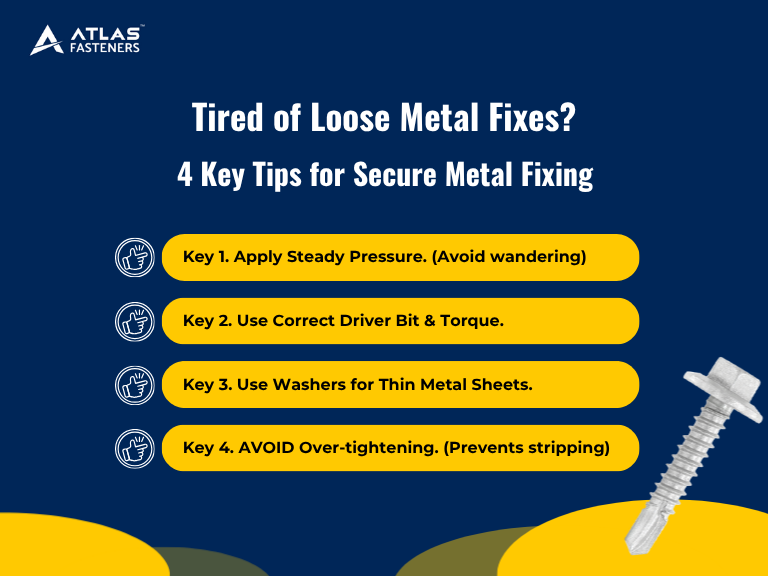
When it comes to securing metal components, nothing is more reliable than heavy duty self drilling screws. Also known as tek screws for steel, these fasteners combine drilling and fastening in one step, ensuring strong, durable, and long-lasting connections in both professional and DIY projects.
What Are Tek Screws for Steel?
Tek screws for steel are a type of self drilling screws for metal designed specifically to penetrate steel surfaces without pre-drilling. They feature a hardened drill-shaped tip and durable threading that allows the screw to cut through metal and create a secure hold simultaneously. This makes them ideal for structural steel, sheet metal, roofing, and fabrication work.
How Do Tek Screws Work on Steel?
These screws work by combining the functions of a drill bit and a screw:
- The drill tip penetrates the steel surface efficiently.
- The threaded shaft grips the metal as it rotates, ensuring a firm hold.
- The head sits flush or slightly raised depending on the design, providing a clean finish.
Because of this design, self drilling screws for metal eliminate the need for pre-drilled holes, reducing installation time and minimizing potential errors.
Choosing the Right Tek Screw for Steel
Selecting the right tek screw for steel depends on several factors:
- Steel thickness: Ensure the drill tip length is suitable for the material.
- Screw length and diameter: Match the application requirements for strength and stability.
- Head type: Choose pan, hex, or flat head depending on the mounting surface and aesthetic needs.
- Material coating: For outdoor or corrosive environments, consider zinc or stainless steel coated screws.
Tips for Strong and Secure Metal Fixing
To achieve maximum performance when using tek screws for steel or self drilling screws for metal, attention to installation technique and material behavior is critical:
Apply steady and consistent pressure –
The drill tip must remain perpendicular to the steel surface to maintain alignment. Uneven pressure can cause the tip to wander, leading to misaligned threads or stripped screws. Steady force ensures the screw drills cleanly and threads correctly.
Use the correct driver bit and torque setting –
Matching the driver bit to the screw head type (e.g., hex, pan, or Phillips) prevents cam-out and reduces the risk of stripping. For heavy-duty applications, using a torque-controlled drill helps maintain consistent rotational force, protecting both the screw and the steel.
Consider washers for thin metal sheets –
When fastening thin steel or aluminum, washers distribute clamping force across a wider area. This prevents deformation, cracking, or pull-through, particularly in structural or load-bearing applications.
Avoid over-tightening –
Excessive torque can strip threads in the metal or damage the screw’s drill tip. Over-tightening also generates localized stress, which may compromise corrosion resistance if coatings are damaged. Using torque specifications recommended by the manufacturer ensures optimal grip without weakening the material.
Pre-drill in exceptionally hard or thick steel (if needed) –
While self drilling screws for metal are designed to eliminate pilot holes, extremely hard steel (>12 mm) or alloyed steel may benefit from a small pilot guide to reduce heat, minimize wear on the drill tip, and prevent micro-fractures in the material.
By combining these techniques, you ensure each screw achieves its designed holding strength, maintains structural integrity, and provides long-lasting, reliable performance in demanding metalworking environments.
Frequently Asked Questions (FAQ)
Q: How thick of steel can a tek screw drill through?
A: Most heavy-duty tek screws for steel can drill through steel up to 10–12 mm thick, depending on the screw size and tip type.
Q: Do I need to pre-drill when using tek screws for steel?
A: No, self drilling screws for metal are designed to eliminate pre-drilling.
Q: How can I prevent tek screws from snapping or stripping during installation?
A: Use the correct driver bit, apply steady pressure, and avoid over-tightening.
Q: Should I use washers with self drilling screws for metal?
A: Washers are optional but recommended for thin metal sheets to distribute pressure evenly.
Q: How do I choose the right length of tek screw for steel?
A: Consider the steel thickness and the material you are fastening to determine the proper screw length.
Further reading:
Type 17 Timber Screws: Ideal Choice for Wood Applications
Collated Screws Explained — Faster Installation, Less Effort