
Latest News
- Home
- Latest News
- Tek Screws: Match Drill Point & Wing to Metal Gauge for Strength
2025.11.17
Latest News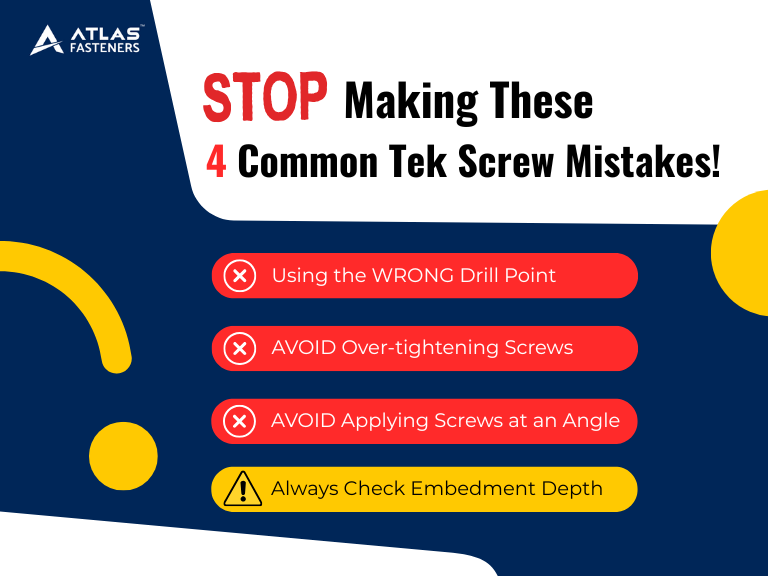
When it comes to joining wood to metal, using the right self drilling screws is essential for strength and durability. Teks self drilling screws wood to metal are designed to drill through metal while securely fastening wood, providing reliable, long-lasting connections in construction, furniture, and DIY projects. Choosing the correct screw type, drill point, and wing design ensures optimal performance and prevents material damage.
What Are Tek Screws and How They Work
Tek screws are specialized self drilling screws that combine a drill point with a threaded shaft. The drill tip penetrates metal surfaces without the need for pre-drilling, while the threads grip both metal and wood. This dual-action design allows for faster, cleaner installation and a secure hold, making them ideal for wood-to-metal projects.
Best Tek Screws for Wood-to-Metal Fixing
Selecting the right screw for wood to metal depends on:
- Metal gauge: Match the drill point to the thickness of the metal for smooth penetration.
- Screw length: Ensure the screw passes through the wood and anchors sufficiently in the metal.
- Wing design: Some Tek screws have cutting wings that remove wood fibers to prevent splitting and improve grip.
- Head type:: Hex or pan heads are chosen based on aesthetics, torque application, and surface requirements.
Installation Tips for Self Drilling Screws in Wood-to-Metal Projects
Maintain perpendicular alignment: Keep the screw at a 90° angle to prevent wandering and misaligned threads.
Use the right driver bit and torque: Prevent stripping the head and ensure full thread engagement.
Consider washers: For thin metal, washers help distribute pressure and reduce deformation.
Pre-drilling considerations: While most self drilling screws don’t require pilot holes, exceptionally hard metals or thick wood panels may benefit from small pilot guides to improve efficiency and reduce tip wear.
Common Mistakes When Using Screws for Wood to Metal
Using the wrong drill point for the metal gauge
Drill points must match the thickness and hardness of the metal. Using an undersized point can cause the screw tip to flex or wander, resulting in incomplete penetration and uneven threads. Oversized points may strip the metal threads or reduce holding strength. Proper matching ensures optimal torque transfer and maintains the structural integrity of both metal and wood.
Over-tightening screws
Excessive torque can strip threads in the metal, damage the screw tip, or crush wood fibers. Over-tightening generates localized stress, increasing the risk of micro-cracks in the wood and compromising corrosion-resistant coatings on metal. Using torque-controlled drivers and manufacturer-recommended torque limits prevents these issues and ensures consistent clamping force.
Incorrect screw length selection
Screws that are too short may fail to fully engage the metal, while overly long screws can split the wood or protrude, creating safety hazards. Proper screw length must account for the wood thickness, metal gauge, and required embedment depth to achieve maximum load-bearing performance.
Applying screws at an angle
Screws driven at non-perpendicular angles reduce thread engagement in metal, create uneven clamping force, and increase the likelihood of loosening under vibration or load. Maintaining a perpendicular insertion angle ensures uniform stress distribution, maximizes holding power, and maintains long-term joint stability.
Frequently Asked Questions (FAQ)
Q: How do I choose between hex head and pan head Teks self drilling screws?
A: Hex heads are ideal for high-torque applications and structural connections, while pan heads provide a lower profile and are suited for aesthetic surfaces.
Q: Do I need to pre-drill holes when using self drilling screws for wood to metal?
A: Usually no, but very hard metals or thick wood may require pilot guides to improve efficiency.
Q: Can I use regular self drilling screws for wood to metal connections?
A: Specialized Tek screws are recommended because they have drill points and wings optimized for wood-to-metal fastening.
Q: Recommended screw size for thick wood panels on steel frames?
A: Select screws long enough to pass through the wood and fully anchor into the metal, typically 1.5–2× the wood thickness.
Q: Can Tek screws be used on angled or sloped surfaces?
A: Yes, but maintaining perpendicular installation as much as possible ensures maximum holding strength.
Further reading:
Type 17 Timber Screws: Ideal Choice for Wood Applications
Collated Screws Explained — Faster Installation, Less Effort