
Latest News
- Home
- Latest News
- Prevent Skylight Leaks: Install Plastic Corrugated & Polycarbonate Roofs
2025.10.08
Latest News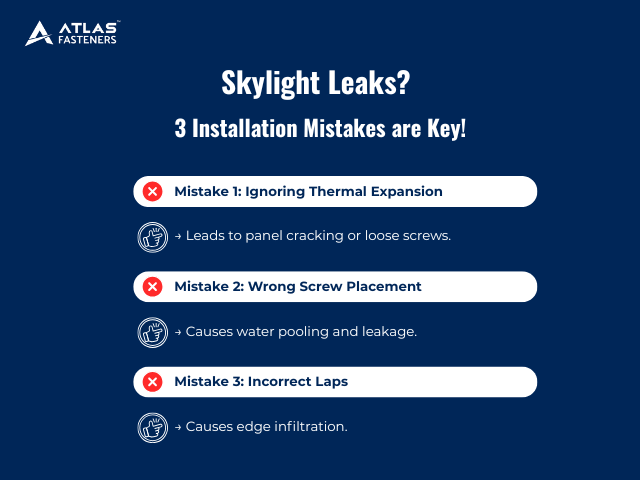
In construction and renovation projects, roof waterproofing is one of the most critical aspects that professional contractors and architects must manage. Skylight leaks can lead to structural damage, interior moisture issues, and costly client complaints. Choosing the right roofing material and following proper installation procedures are essential to prevent these problems. This article provides a detailed guide on how to install plastic corrugated roofing, polycarbonate roofing fixing instructions, and professional strategies to avoid skylight leaks when it rains.
Material Comparison: Plastic Corrugated Sheets vs Polycarbonate Panels
Plastic corrugated sheets are lightweight, cost-effective, and easy to install, making them suitable for temporary shelters, warehouse roofs, or simple skylight covers. However, their durability and weather resistance are relatively limited. Polycarbonate (PC) panels, on the other hand, offer high impact resistance, excellent transparency, and long-term durability, making them ideal for skylights and permanent roofing solutions.
| Material | Advantages | Disadvantages | Recommended Applications |
| Plastic Corrugated Sheets | Lightweight, low cost, easy installation | Lower UV and weather resistance | Temporary roofing, warehouses, light sheds |
| Polycarbonate Panels | High strength, impact-resistant, UV-resistant | Higher cost, requires expansion joints | Skylights, permanent roofing, daylighting panels |
For contractors planning roofing projects, selecting the right material prevents costly repairs and ensures long-term performance, reducing the likelihood of skylight leaks when it rains.
Preparation Before Installation
Tools Required
- Electric drill or impact driver
- Specialized screws with waterproof washers
- Sealant or silicon
- Precision cutting tools (fine-tooth saw or panel cutter)
Panel Inspection
- Check for cracks, warping, or defect.
- Avoid using panels with micro-fractures that could expand under thermal stress.
Cutting Guidelines
- Cut smoothly to avoid edge cracks.
- For PC panels, protective edge strips can prevent cracking from UV exposure.
Proper preparation is crucial for efficient installation and ensures that polycarbonate roofing fixing instructions are followed correctly.
Correct Overlap Direction and Sheet Laps
The overlap direction and width of corrugated sheets determine roof drainage performance.
- Side laps: at least one corrugation overlap.
- End laps: minimum 150 mm.
- Wind direction consideration: sheets should follow prevailing wind to minimize water infiltration.
Insufficient overlap or incorrect orientation can directly result in skylight leaks when it rains, especially around skylight edges.
Fastening Techniques: Peak vs Valley Screws
Screw placement significantly affects sealing and panel longevity:
- Plastic corrugated sheets: screws should be installed at the corrugation peaks to avoid water pooling.
- Polycarbonate panels: screws require elastic washers and may be placed at peaks with pre-drilled expansion holes.
- Torque control: over-tightening can crack panels and compromise waterproofing.
Correct fastening prevents material failure and minimizes post-installation leakage around skylights.
Thermal Expansion and Expansion Gap Design
PC panels have high thermal expansion coefficients. Without proper expansion gaps, panels can crack or screws can loosen during temperature changes.
Professional installation tips:
- Drill holes 2–3 mm larger than screw diameter.
- Leave 3–5 mm expansion gaps between panels.
- Combine with elastic washers to ensure polycarbonate roofing fixing instructions are effective.
Attention to these details reduces maintenance needs and prevents skylight leaks when it rains.
Skylight Leak Prevention Methods
- Waterproof membranes and sealant strips: install around skylight perimeters before screw fixing.
- Proper screw placement: ensure secure fixing along edges with washer.
- Drainage slope: design slight angles to prevent water accumulation.
- Common mistakes: relying only on silicone for sealing leads to cracking over time.
Following these procedures greatly reduces the risk of skylight leaks when it rains and ensures long-term roof integrity.
Frequently Asked Questions (FAQ)
Q: How much expansion space should be left for PC panels?
A: Drill holes 2–3 mm larger than the screw diameter and use elastic washers.
Q: Does washer material affect waterproofing?
A: Yes. EPDM or silicone washers provide superior weather resistance and waterproofing.
Q: What is the main difference between corrugated sheet and PC panel installation?
A: Corrugated sheets are fixed at peaks, while PC panels require expansion gaps, washers, and specialized screws.
Q: Can both materials be used on the same roof?
A: Yes, but careful design of edges and overlaps is essential to avoid leaks.
Q: Does skylight repair require full panel replacement?
A: Not necessarily. Localized sealing or screw adjustments can address leaks without removing all panels.
Q: Can improper panel installation affect skylight performance?
A: Yes. Incorrect lap orientation or screw placement can cause water infiltration around skylights.
Choosing the right roofing material and following how to install plastic corrugated roofing and polycarbonate roofing fixing instructions are essential steps in preventing skylight leaks when it rains. Professional contractors and architects must pay attention to every detail, ensuring long-lasting, safe, and high-quality roofing installations.
If you are planning new construction or roof renovation projects, contact us today for high-quality plastic corrugated sheets, polycarbonate panels, and professional installation accessories. We provide not only premium materials but also technical guidance and on-site support to maximize efficiency and reduce future maintenance costs.
Further reading:
How to Select the Best Screws for Different Roofing Materials
Self-Drilling Screws vs Self-Tapping Screws — Key Differences
Sandwich Panel Screw vs Stitching Screws: Roofing Fasteners Guide
How to Choose Screws for Wind-Resistant Greenhouses | Roof Design Tips
How to build a green house?Green House Roof Materials Choose