
Latest News
- Home
- Latest News
- How to Choose the Right Metal Roof Screws and Roofing Fasteners for Installation
2026.03.19
Latest News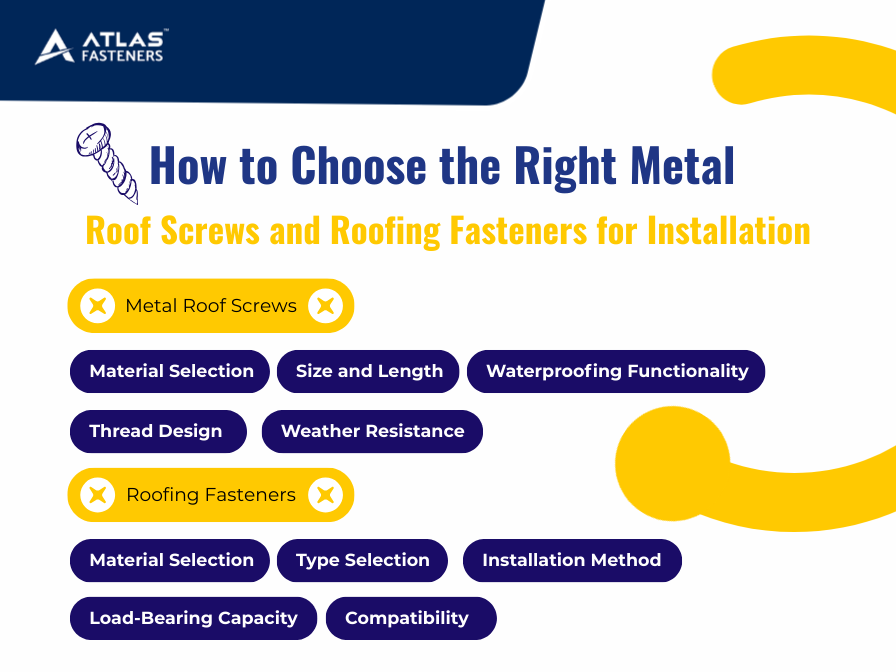
How to Choose Metal Roof Screws
When installing a metal roof, choosing the right screws is crucial to ensure the roof's stability and durability. The choice of screws not only affects the ease of installation but also the long-term performance of the roof. Here are key factors to consider when selecting metal roof screws:
Material Selection:
Metal roof screws are typically made of stainless steel or aluminum alloy. Stainless steel screws are highly corrosion-resistant, making them ideal for long-term outdoor use. Aluminum alloy screws are lighter and more cost-effective, suitable for situations where durability is less of a concern.
Size and Length:
The length and diameter of the screws should be chosen based on the roof's structure and the material being used. Improper length can lead to poor fastening, resulting in instability.
Waterproofing Functionality:
Screws with rubber washers are essential for preventing water penetration, ensuring that the roof remains waterproof and free from leaks.
Thread Design:
The thread design is crucial for the grip and holding power of the screws. Most metal roof screws are designed to be self-tapping, providing superior grip and stability on metal surfaces.
Weather Resistance:
Since metal roofs are exposed to harsh weather conditions, choosing screws with high weather resistance is essential for long-term durability.
How to Choose Roofing Fasteners
Roofing fasteners play a critical role in securing metal roofing systems. Choosing the right fasteners ensures the roof structure remains stable and secure over time. Here are key factors to consider when selecting roofing fasteners:
Material Selection:
Roofing fasteners should be made of materials that resist corrosion, such as stainless steel or hot-dip galvanized materials. These materials ensure the fasteners last long even under adverse weather conditions.
Type Selection:
There are various types of roofing fasteners, including bolts, nuts, and nails. Choose the appropriate type based on the installation requirements. Each fastener type has a specific function and should match the roofing system.
Installation Method:
Some fasteners require penetration through the metal roofing material, while others may use adjustable components to enhance the hold. The installation method will depend on the structure of the roof and the fasteners used.
Load-Bearing Capacity:
The fasteners must be able to support the weight of the roof material and withstand external forces like wind. Choose fasteners with sufficient strength to maintain the roof's stability.
Compatibility:
Ensure that the fasteners are compatible with other components of the roofing system. A good match between the fasteners and the roof structure is key to maintaining the long-term stability of the system.
Frequently Asked Questions (FAQ)
Q:Why Choose Stainless Steel Screws? +
Q:What is the Difference Between Metal Roof Fasteners and Traditional Roofing Fasteners? +
Q:What Are Common Issues in Metal Roof Installation? +
Q:What Should Be Considered When Installing a Metal Roof? +
Q:How Can I Maintain My Metal Roof? +
Q:How Do I Choose the Right Metal Roof Screws for My Project? +