
Latest News
- Home
- Latest News
- Choosing the Best Roof Materials for Your Greenhouse Climate and Budget
2026.02.03
Latest News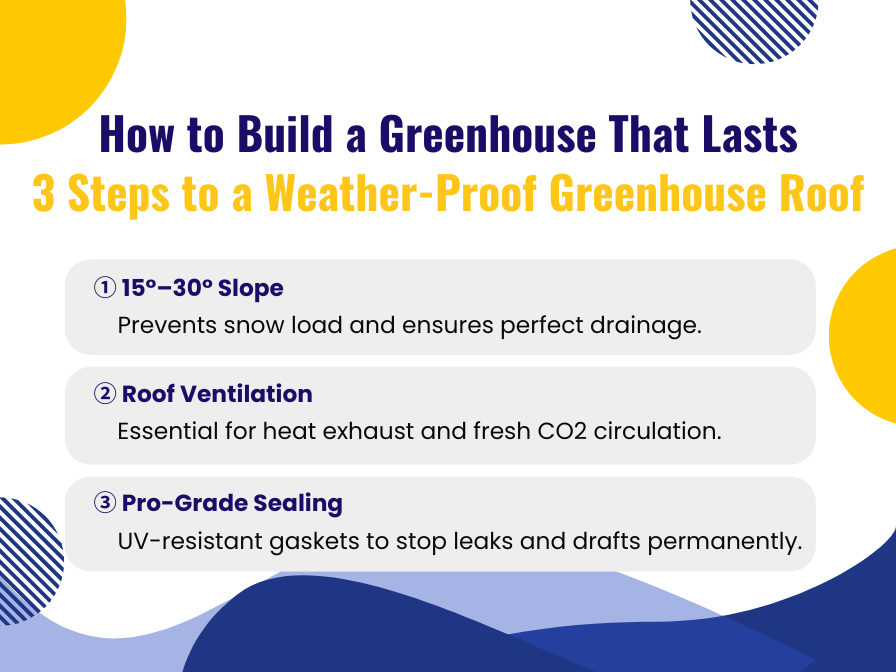
Choosing the right green house roof materials is a crucial decision that directly impacts temperature control, energy efficiency, and long-term operating costs. The roof determines how much sunlight enters the greenhouse, how heat is retained or released, and how well the structure withstands weather stress. Selecting inappropriate roof materials can result in overheating, excessive heat loss, or frequent repairs.
How Roof Materials Respond to Heat, Cold, and UV Exposure
Different roof materials react very differently to climate stress. Glass roofs transmit strong sunlight and often cause heat buildup, while plastic films diffuse light but lack long-term UV durability.
A polycarbonate roof offers balanced performance by diffusing light, reducing hot spots, and maintaining stable temperatures. In cold climates, multi-wall polycarbonate panels provide superior insulation, while UV-protected polycarbonate roof systems resist yellowing and brittleness over time, making them reliable green house roof materials across climates.
Understanding Different Types of Green House Roof Materials
Common green house roof materials include glass, plastic films, fiberglass, and polycarbonate. Glass offers high clarity but poor insulation and high structural cost. Plastic films are low-cost but short-lived. Fiberglass provides diffused light but discolors over time.
The polycarbonate roof combines durability, insulation, and long service life, making it a versatile choice for both commercial and residential greenhouses.
Why Polycarbonate Roof Systems Are a Popular Choice
The popularity of the polycarbonate roof is driven by its balanced performance across all critical criteria. Polycarbonate panels are extremely impact-resistant, making them suitable for areas exposed to hail, heavy rain, or strong winds. Unlike glass, they do not shatter, improving safety and reducing repair costs.
Thermal efficiency is another major advantage. Multi-wall polycarbonate roof structures significantly reduce heat loss, helping greenhouse operators maintain stable temperatures with lower energy consumption. This efficiency translates into measurable long-term savings.
Light diffusion is also superior. Instead of harsh direct sunlight, polycarbonate roof materials spread light evenly throughout the greenhouse, supporting consistent plant growth and reducing stress.
When lifespan, energy efficiency, and maintenance are considered together, polycarbonate roof systems offer strong long-term value, making them one of the most cost-effective green house roof materials available today.
Key Differences Between Polycarbonate and Other Roof Materials
When comparing polycarbonate roof systems with other roof materials, several clear differences emerge. Compared to glass, polycarbonate is lighter, easier to install, and far more impact-resistant. While glass provides slightly higher light transmission, polycarbonate offers better insulation and lower structural requirements.
Compared to plastic films, polycarbonate roof materials last significantly longer and require far less maintenance. Plastic films may cost less initially, but frequent replacements and higher energy costs reduce their overall value.
Fiberglass panels fall between these options but often suffer from discoloration and reduced light performance. Polycarbonate roof systems maintain clarity and insulation for many years, making them a more stable long-term investment among green house roof materials.
Common Buyer Mistakes and How to Avoid Them
One common mistake is choosing roof materials based only on initial price. Low-cost options often lead to higher long-term expenses due to energy loss, frequent replacements, and maintenance issues.
Another error is ignoring local climate conditions. Selecting unsuitable green house roof materials can result in overheating, condensation problems, or UV degradation.
Improper installation is also a frequent issue. Even high-quality polycarbonate roof panels require correct fasteners, expansion allowances, and sealing systems. Working with experienced suppliers helps ensure optimal performance and lifespan.
Frequently Asked Questions (FAQ)
Q:Which roof material provides the best insulation?
A:Multi-wall polycarbonate roof panels provide the best insulation among common green house roof materials due to their internal air chambers.
Q:How often do greenhouse roofs need replacement?
A:Plastic films may need replacement every 1–3 years, while polycarbonate roof systems typically last 10–15 years.
Q:What roof material works best in hot climates?
A:Polycarbonate roof materials with light-diffusing properties perform well in hot climates by reducing heat buildup.
Q:Is a polycarbonate roof better than glass?
A:In most cases, yes. Polycarbonate offers better insulation, impact resistance, and lower structural requirements than glass.
Q:How long do greenhouse roof materials typically last?
A:Lifespans vary widely, but high-quality polycarbonate roof panels are among the longest-lasting options available.