
Latest News
- Home
- Latest News
- How to Install Plastic Corrugated Roofing: Essential Tips
2026.05.12
Latest News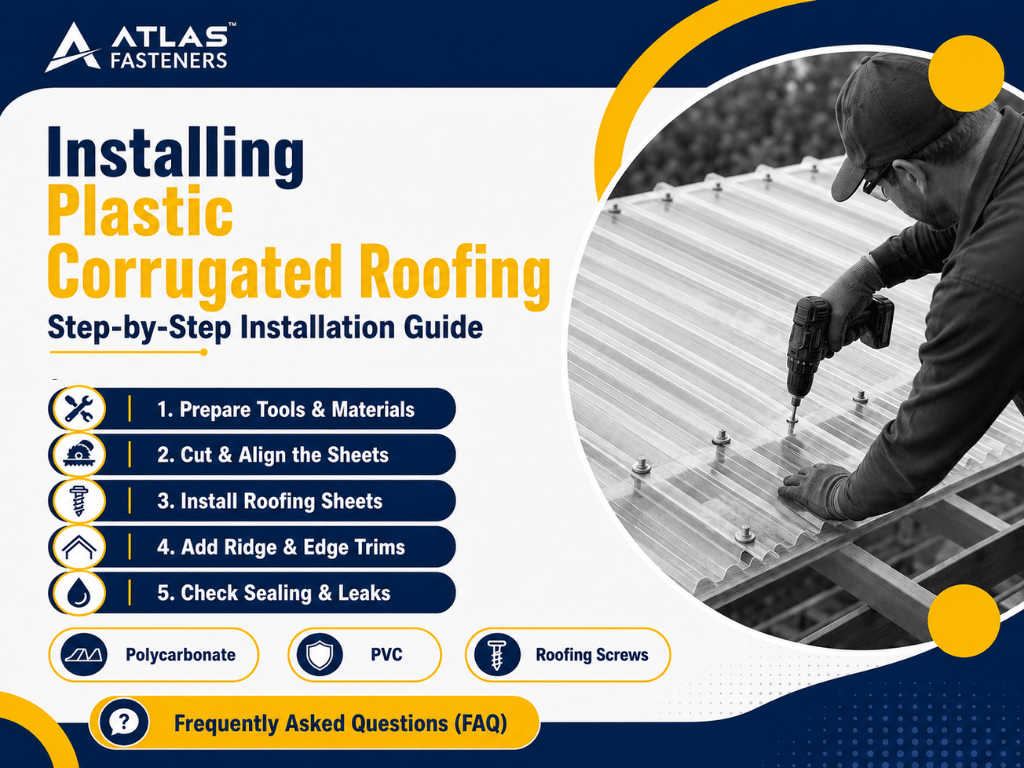
Installing Plastic Corrugated Roofing
Installing plastic corrugated roofing can be an excellent choice for lightweight and durable roofing. Polycarbonate and other plastic roofing materials provide a cost-effective solution for sheds, greenhouses, and other structures. Here's a step-by-step guide to installing plastic corrugated roofing, including the most commonly asked questions.
Step-by-Step Installation Guide
Follow these essential tips to ensure a successful and long-lasting roof installation.
Tips 1. Preparation: Gather Your Tools and Materials
Before starting, ensure you have all the necessary tools and materials. Here's what you'll need:
- Plastic corrugated roofing sheets (polycarbonate or PVC)
- Galvanized roofing screws or fasteners
- Power drill with the right-sized drill bit
- Silicone sealant
- Measuring tape
- Circular saw or utility knife
- Ladder
- Safety gear (gloves, goggles, etc.)
The most important step is to ensure the roofing sheets are compatible with the structure you're working on, especially the pitch of the roof. Polycarbonate sheets are ideal for areas requiring high light transmission and UV protection.
Tips 2. Cut and Align the Sheets
Once you have your materials, measure the length of the roof and cut the plastic corrugated sheets to the appropriate size. If you're working with polycarbonate, use a circular saw with a fine-tooth blade for clean cuts. For PVC sheets, a utility knife may work for thinner material.
Align the sheets starting from one end of the roof. Ensure that the corrugations are running in the right direction to allow proper water drainage. Overlap the sheets slightly to prevent leaks.
Tips 3. Install the Roofing Sheets
Start fixing the roofing sheets from the bottom, securing each sheet to the purlins or trusses with screws. Ensure the screws go through the peaks of the corrugations, as this minimizes the chance of water leaking. Leave a small gap between the screw head and the sheet to avoid compressing the material too much, which could cause cracking.
Use silicone sealant around the screw holes and overlaps for additional waterproofing.
Tips 4. Install Ridge and Edge Trims
After securing the main sheets, install the ridge trim along the peak of the roof. This will help ensure that the roof is watertight. For the edges, use plastic edge trim to cover any exposed ends of the roofing material. This trim will not only provide a cleaner finish but will also protect the edges from potential damage.
Tips 5. Check for Proper Sealing
Inspect your work once all sheets are in place. Look for any visible gaps, especially along the overlaps, edges, and screws. Apply additional sealant as needed. Ensuring proper sealing is crucial to prevent water infiltration and extend the lifespan of your roof.